The Churchill Downs Surface Factor in the Kentucky Derby Betting Strategy

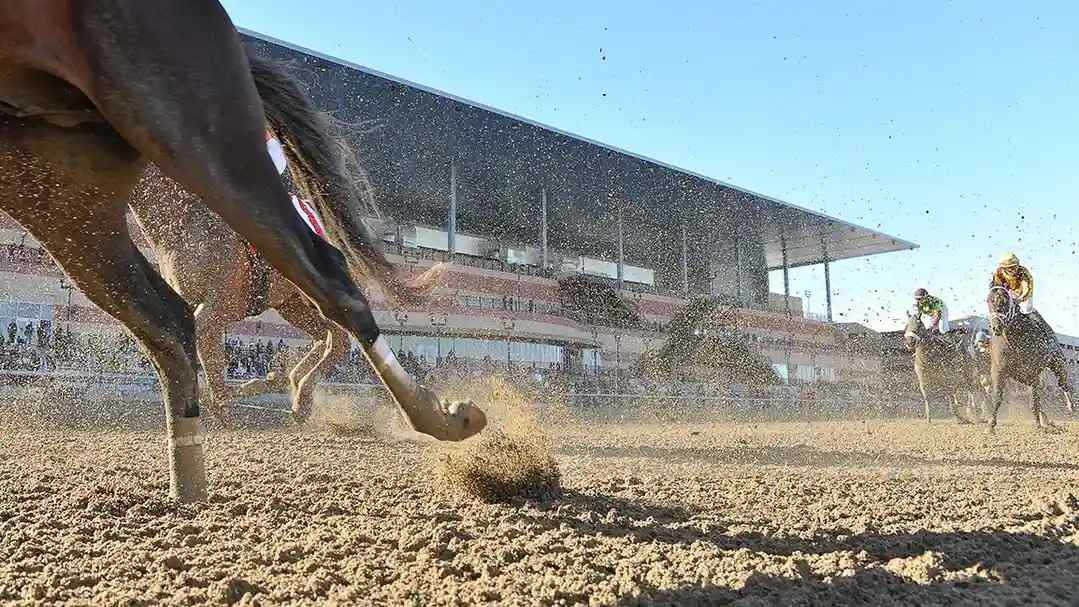
If you are building a serious 2026 Kentucky Derby ticket right now, surface research is not optional. Churchill Downs in late April and early May is not a controlled environment. The Louisville forecast has rain in the conversation for Derby week, and a wet main track does not just add a few lengths to closing fractions. It rewrites the race entirely. Favorites fall off tickets. Prices move. The guy who did his homework on off-track form and pedigree cashes. The guy who didn’t is left staring at a losing ticket, wondering what happened.
This is your Kentucky Derby betting breakdown on the one factor that gets underweighted every single year: the Churchill Downs surface, what it does when the weather turns, and how to adjust your wagering before the pools close on May 2.

2026 Kentucky Derby Contender Surface Profile Snapshot
| Horse | Trainer | Prep Surface | Off-Track Record | Track Condition Note |
|---|---|---|---|---|
| Renegade | Todd Pletcher | Dirt (Fast) | Unproven | Risk rises significantly if the track comes up off |
| Fulleffort | Brad Cox | Synthetic (Tapeta/Polytrack) | All-synthetic | Live overlay on a sealed or sloppy track |
| Further Ado | Brad Cox | Dirt | TBD from workouts | Cox horses tend to handle surface variance well |
| So Happy | CA Shipper | Santa Anita Dirt | Limited off-track | Deep Kentucky surface a historical concern for West Coast shippers |
Note: Field and trainer assignments are subject to change pending the April 25 post-position draw. Check US Racing for updated morning line and surface reports.
The Churchill Downs Surface Variance and What It Costs Chalk Bettors
Churchill Downs runs a unique main track. The crowned surface, the depth of the dirt in certain moisture conditions, and the sheer volume of hooves in a 20-horse field all interact in ways that smaller fields at Keeneland or Santa Anita simply do not replicate. When the track dries out and seals fast, you get a speed-favoring surface where early pace is rewarded and inside posts become prime real estate. When the weather moves through, and the track comes up good, yielding, or outright sloppy, the entire pace scenario shifts. Closers get more play. Kickback becomes a factor in the back of a large field. Horses that have never run through standing water or heavy footing are being asked to do it for the first time on the biggest stage in American racing.
That is the spot where chalk bettors get burned. A morning line favorite who has only run on fast or firm surfaces is a legitimate question mark in wet footing, no matter how dominant his BRIS Speed numbers look on paper. Before you anchor your Kentucky Derby exacta around a horse with zero off-track experience, pull his pedigree. Look at his sire line. Some bloodlines simply do not handle wet footing, and no amount of fast-track speed figures changes that reality.
Renegade is the prime example in this year’s discussion. Todd Pletcher sent his Derby hopeful through a prep cycle on fast dirt, and the most recent Palm Beach Downs workout, four furlongs in 48.87 alongside stablemate Powershift, shows the horse is training well. But wet-track form is a blank page right now. If Louisville gets significant rain before May 2, that page stays blank on race day, and the betting public has to decide whether to trust him at likely short prices without that data point. For Kentucky Derby matchup bettors, that surface question alone could flip head-to-head propositions involving Renegade against horses with proven off-track records.
Kentucky Derby Betting Insights: Churchill Downs Surface Translation for Synthetic Horses Like Fulleffort
The synthetic-to-dirt surface debate comes up every Derby cycle, but 2026 has a specific name attached to it: Fulleffort. Sharp bettors on Reddit’s r/gambling forum are already drawing the Rich Strike 2022 comparison, and it is not a lazy one. Rich Strike ran his entire 3-year-old prep on surfaces that did not look like a traditional Churchill Downs main track, came in off the also-eligible list at 80-1, and cashed one of the great Derby tickets in modern history.
The mechanics of why synthetic form translates to wet Churchill Downs dirt are real. A moisture-sealed or sloppy track creates a surface with give and a uniform bounce that behaves more like Tapeta or Polytrack than standard fast dirt does. Animal Kingdom won the 2011 Derby off a Turfway Polytrack prep, and that connection was not a coincidence. It was surface science. Fulleffort has been working steadily and his odds have tightened from 25-1 to 20-1 in recent days, which tells you money is coming in from people who have done this research. The question for overlay hunters is whether 20-1 still represents value given the surface uncertainty. If the track comes up fast and firm on Derby Day, the synthetic question grows louder. If it rains, Fulleffort moves from interesting longshot to genuine contender.
This is exactly the kind of horse you want as a single in a Churchill Downs Stakes sequence or as part of a spread in your Derby exotics. Not a horse to anchor, but a horse to include in the right spots.
Kentucky Derby Track Bias, Post Position Draw, and Running Style Alignment
The April 25 post position draw is the next critical data point for surface-aware handicappers. Churchill Downs’ track bias shifts depending on moisture levels, and that shift directly affects which post positions carry value in a 20-horse field.
On a rail-favoring sealed track, inside draws from posts 1 through 5 get a substantial edge. Horses breaking from those spots get clean trips without the wide sweeping paths that outside posts demand, and early speed that can secure the rail gets a significant advantage. On a drying-out or cuppy track, the bias can flip toward the middle of the track, and closers from posts 8 through 14 can get late-running lanes that do not exist in slop. Wide outside posts in a 20-horse field, particularly 17 through 20, carry historical disadvantages at Churchill Downs regardless of surface condition, and those disadvantages compound under wet footing when the path to the first turn requires extra ground.
Brad Cox had Further Ado on the Churchill Downs track early in the morning for workouts recently, and that kind of pre-meet surface familiarity matters. Cox horses routinely handle surface variance as well as any barn in the country right now. Check the Kentucky Derby trainer props at BUSR to see where Cox is positioned in the market relative to other leading conditioners.
West Coast shippers like So Happy face a legitimate adjustment question. The Churchill Downs main track is deeper and more demanding than what California horses typically encounter at Santa Anita. Multiple r/horseracing threads are active on this exact point right now, with experienced bettors citing the surface difference as a consistent historical factor for West Coast horses. It does not disqualify a shipper, but it requires more than just speed figures to build a confident case. Check the Kentucky Derby jockey props as well, since jockey familiarity with Churchill Downs kickback in large fields is an edge that gets underrated in standard handicapping.
Churchill Downs Surface Factor and Exotic Ticket Construction Strategy
Here is how to apply all of this to actual wagering. If you are building a win ticket, track condition forces you into one of two approaches: bet before the weather clarifies and accept the uncertainty, or wait until closer to post on Derby Day when the track condition is confirmed, and prices have adjusted. The second approach costs you price on horses who improve in wet footing once the public figures it out. The first approach requires you to build a weather-contingent case.
For exotic construction, the surface angle is most valuable in exacta and trifecta wheels. A basic structure that accounts for surface variance might look like this. Use two to three proven or pedigree-backed wet-track horses on top of a broader underneath spread. A $2 exacta wheel with two horses on top over a field of six underneath costs $24. If you are playing trifectas, a key-with-key-with-spread format at $1 per combination gives you flexible coverage without overextending a single ticket. A $1 trifecta using two keys on top and a spread of five in the third spot costs $20. If the track comes up sloppy and your wet-track overlays run 1-2, you are well covered.
For Pick 4 and Pick 5 players, the surface angle is actually an asset in multi-race sequence construction. When uncertainty inflates the pool because chalk bettors avoid horses with question marks, prices on the board widen. That is where the overlay value lives. Use the surface-backed horses as your singles or tight keys in the Derby leg, and spread wider in the other legs to maximize coverage. If you need a refresher on multi-race wagering structures before the draw, the how to place a bet guide at BUSR covers the mechanics clearly.
Keep an eye on the Kentucky Oaks odds and Kentucky Oaks matchups as well. The Oaks runs the day before the Derby on the same surface, and that race is a live read on exactly how the Churchill Downs main track is playing the day before the big one. Experienced bettors use Oaks Day pace shapes, winner profile, and trip notes to sharpen their Derby surface read. Do not miss it. Also check the Old Forester Turf Classic on the Derby Day undercard for additional surface and pace reads, though that one is on the turf course.
For Triple Crown planning ahead, bookmark the Belmont Stakes betting guide at BUSR now. The surface translation question does not end at Churchill Downs. Belmont’s main track has its own unique characteristics that will matter significantly if a wet-track horse romps on Derby Day.
What The Internet Is Saying
The broader conversation across both platforms points in a consistent direction. Track condition research is not a secondary concern for 2026 Derby handicapping. It is a primary one. You can follow the live discussion on X and Reddit as Derby week develops and the Louisville forecast sharpens.
Key Takeaways
- A sloppy or muddy Churchill Downs track on Derby Day reshapes the entire betting landscape, exposing favorites with no wet-track form and elevating proven mudders and synthetic-surface horses.
- Fulleffort’s all-synthetic prep cycle draws sharp comparisons to Rich Strike 2022, making him a live overlay if the track comes up off on May 2. His odds are tightening from 25-1 to 20-1, signaling informed money is already arriving.
- Churchill Downs’ crown, deep kick-back in a 20-horse field, and spring weather variability make track condition research a non-negotiable part of any serious Derby exotic ticket.
- Post position value shifts dramatically based on surface condition. Rail-heavy bias in slop favors inside draws, while a sealed fast track can open the door for closers from wider posts. The April 25 draw is the next critical handicapping input.

FAQ: Churchill Downs Surface – How Track Conditions Affect the Result
How does a wet or sloppy Churchill Downs track affect 2026 Kentucky Derby betting odds?
A wet track at Churchill Downs can dramatically compress or expand the odds board. Horses with proven off-track form and favorable wet-track pedigrees move up significantly in the wagering, while morning line favorites lacking that experience often drift as sharp money rotates away from them. The pools reflect that uncertainty almost immediately once the track condition is posted. Bettors who have already done the off-track research and pedigree work are positioned to find real value in the minutes before post, when the public is still processing the condition change. Always check each contender’s off-track record and sire line before finalizing any Derby ticket, not just their fast-track speed figures.
Does synthetic surface form translate to Churchill Downs dirt in the Kentucky Derby?
It can, and the evidence from recent history supports taking it seriously. A moisture-sealed or sloppy Churchill Downs surface creates a track with give and a uniform bounce that behaves more like Tapeta or Polytrack than standard fast dirt does. Animal Kingdom won the 2011 Kentucky Derby off a Turfway Park Polytrack prep, and that result was not random. Rich Strike’s 2022 win followed a comparable path. Fulleffort’s all-synthetic 3-year-old prep cycle in 2026 puts him squarely in that conversation, particularly if rain arrives in Louisville before May 2. On a dry, fast Churchill Downs track, the surface translation question becomes harder to answer, which is why his post-draw surface read matters so much to his final price.
How does Churchill Downs track bias affect post position value in the Kentucky Derby?
Churchill Downs’ main track develops different biases depending on moisture levels, maintenance patterns, and how much racing has taken place on the surface in the days leading up to the Derby. On a rail-favoring sealed track, inside posts from 1 through 5 carry a meaningful trip advantage. Horses breaking from those spots secure cleaner paths and avoid the wide runs that outside draws demand in a field of 20. On a drying or cuppy surface, the bias can shift toward the middle of the track, and closers from mid-pack draws find late-running lanes that simply do not exist in wet footing. Posts 17 through 20 carry historical disadvantages at Churchill Downs under most surface conditions, and those disadvantages compound when the track is wet, and the path to the first turn requires extra ground. Use Oaks Day racing on May 1 as a final live read on exactly how the surface is playing before you finalize your Derby ticket.
Join the BUSR Experience. Stream every major sports league LIVE, and enjoy live in-game moments with live betting, exclusive team props, and season futures. You control your winnings with our new Early Cash-Out option, no need to wait for the game to end. Enjoy 24-hour payouts, dive into over 1,000 casino games, and get access to exclusive lines and boosted odds.Bet $50, Get $500
$100 Every Thursday$500 Sports Welcome Bonus
2027 Kentucky Derby Prep Races |Horse Racing Betting | Horse Racing Odds | Horse Racing Schedule | Racetracks | Racebook Welcome Bonus | Horse Betting 10% RebateRelated Pages and Articles:


